

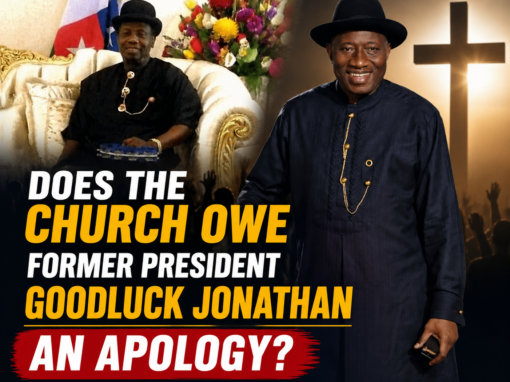
In moments of national difficulty, one question continues to surface in my mind: should the Church apply the same standard to every government, regardless of who occupies the office?
Looking back at the administration of former President Goodluck Jonathan, many Christian leaders and organizations were outspoken. During periods of national tension, especially around the removal of fuel subsidy and other national challenges, there were public demonstrations, strong criticism, and persistent calls for accountability. The Church’s voice was loud and impossible to ignore.
It is difficult to revisit the Jonathan years without remembering the extraordinary level of criticism directed at his administration from influential voices across Nigeria, including respected church leaders.
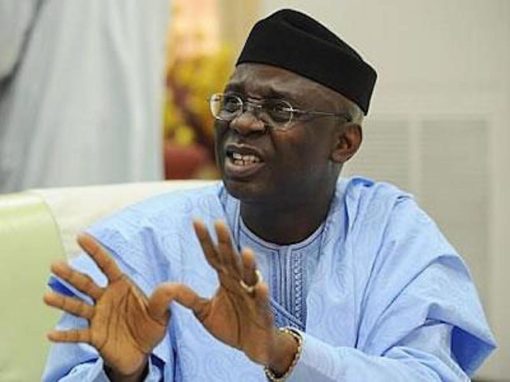
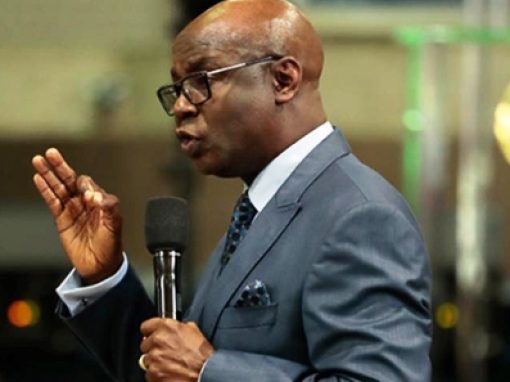
The 2012 fuel subsidy protests became a defining moment. While labour unions and civil society groups led the nationwide demonstrations, influential clerics such as Pastor Tunde Bakare, through the Save Nigeria Group, were among the most vocal critics of the Jonathan administration. Pastor Bakare later explained that his opposition was not to subsidy removal itself but to the manner in which it was implemented and the government’s failure to first address corruption in the subsidy regime.
Beyond the subsidy protests, many Christians believed that a significant section of the Church establishment had become openly critical of President Jonathan’s leadership in the period leading to the 2015 election. Whether intentional or not, the combined influence of religious leaders, civil society, opposition politicians, and public opinion created an environment that made his re-election increasingly difficult.
This is why many Nigerians now ask a difficult question. If the Church was willing to speak so boldly during Jonathan’s administration, why does its public voice appear more restrained in the face of today’s economic hardship? The issue is not whether criticism was justified then or now. The issue is whether the same moral standard is being applied consistently.
This is not about defending one political party against another. Neither is it about attacking any church or denomination. It is about consistency.

The Church is called to be the moral conscience of society. Its prophetic voice should never depend on who is in power or which political interests are being served. Scripture calls believers to speak the truth without fear or favour. When we appear selective in our response to injustice or suffering, we risk weakening our moral authority.
Perhaps one of the greatest lessons from Nigeria’s recent political history is that many of our political, religious, and even ethnic loyalties can sometimes overshadow our commitment to truth and justice. If we celebrate accountability only when it affects our opponents but remain silent when it affects those we support, then we have embraced partisanship rather than righteousness.
Silence in the face of suffering should never become a virtue. A healthy democracy depends on citizens who can respectfully question leaders, challenge policies, and speak for those whose voices are rarely heard. Constructive criticism is not rebellion. It is one of the responsibilities of responsible citizenship.
The Bible reminds us in James 4:17:
> “So whoever knows the right thing to do and fails to do it, for him it is sin.”
This verse speaks not only to individuals but also challenges institutions. When we know what is right, we should not allow fear, loyalty, or convenience to prevent us from doing it.
If the standards used to evaluate one administration are not applied equally to another, then perhaps there is room for reflection and even repentance. Whether that reflection should include an apology is something every institution must answer before God and history.
The Church must remain above politics. Its loyalty should be to Christ, truth, justice, and compassion. Only then can it continue to speak with the credibility that our nation desperately needs.
This article is not written to condemn any individual or denomination. Rather, it is a call for introspection. The credibility of the Church is strengthened when it speaks consistently, regardless of who occupies political office. Our nation needs a Church that is courageous enough to commend what is right, confront what is wrong, and remain faithful to biblical truth without fear, favour, or political preference.






















0 Comments